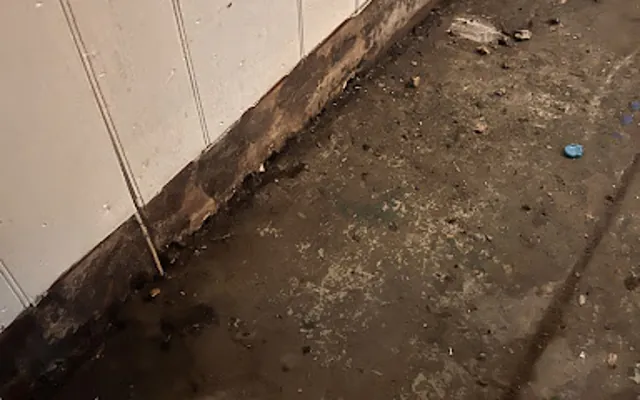
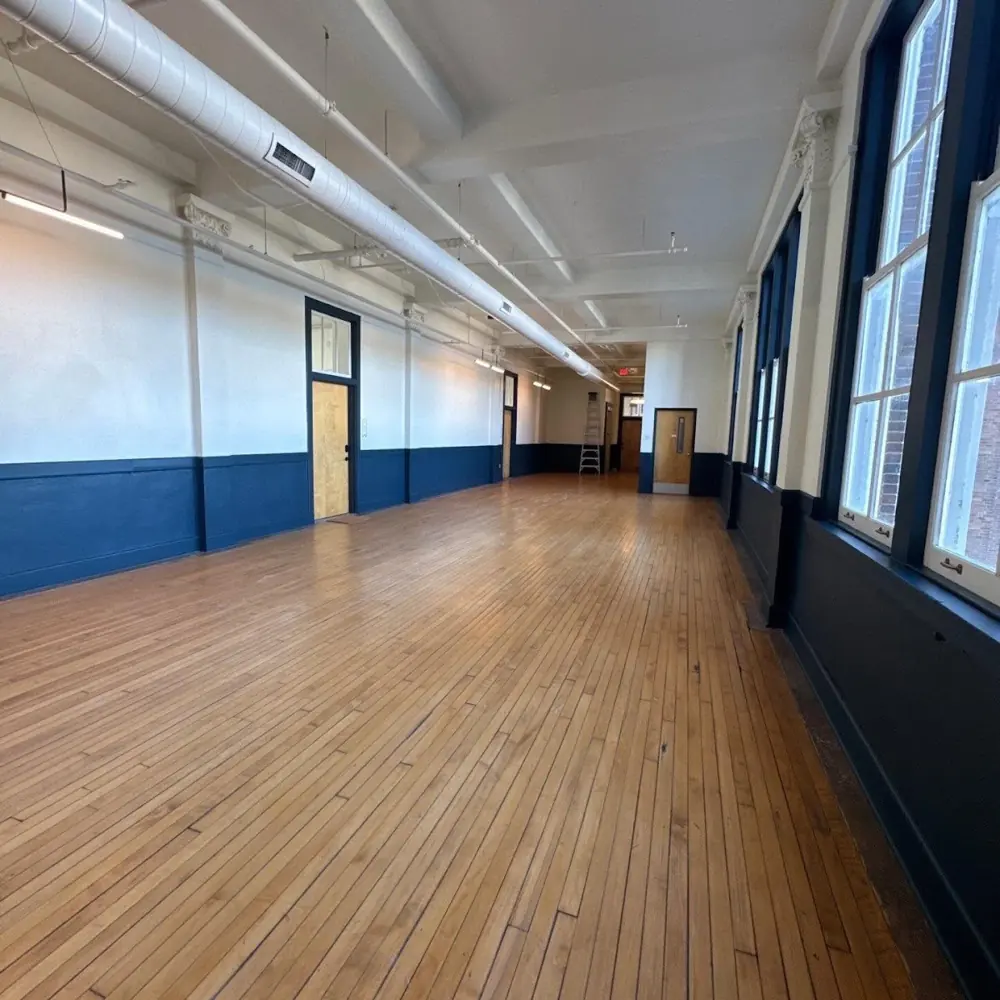
Homes on the outer edges of the Valley still run septic systems, and a full or failed tank pushes contaminated water back into the house. Phoenix crews extract the black water, sanitize the area, and dry the structure to IICRC standards.

Crews isolate the contaminated area and extract the black water with equipment dedicated to sewage, removing solids from the affected floors.
Porous materials the backup soaked are removed, and every hard surface is cleaned and treated with hospital-grade antimicrobial agents.
Air movers and dehumidifiers dry the slab, walls, and baseboards, with moisture readings tracked daily until the area is dry.
The septic contractor pumps or repairs the system, and crews restore the flooring and walls so the space is clean, dry, and safe.

While help is on the way, these first steps, done only where it is safe, limit the damage and protect the insurance claim.
Shut the supply off at the source, or close the home's main valve if the source is not obvious. Stopping the flow limits the damage more than anything else.
Switch off electricity to the affected area, but only if the breaker can be reached without standing in or touching the water.
Get a crew dispatched right away. The sooner extraction and drying begin, the more flooring, drywall, and belongings can be saved.
Take photos and a short video of the water and the affected rooms before anything is moved, so the insurance claim starts strong.
Septic backup cleanup in Phoenix generally runs $1,500 to $6,000, depending on how far the black water spread, how much porous material must be removed, and the flooring replaced. Contaminated water that reached carpet or multiple rooms costs more. Coverage varies by policy, and crews document the category of water, sanitizing, and moisture readings for the carrier.
Crews reach Phoenix and the Valley of the Sun fast, from the historic Willo and Coronado districts to Arcadia, Biltmore, and Sunnyslope, and nearby Tempe, Scottsdale, and Glendale. See the full list on the areas served across Phoenix page.
See all areas servedA real crew dispatched any hour, not a callback in the morning.
Trained technicians following recognized IICRC drying standards.
Truck-mounted, portable, and submersible for any size loss.
The loss is documented and billed to the carrier directly.
Warning signs include slow drains throughout the house, gurgling toilets, sewage odors indoors or over the leach field, and wet or spongy ground above the tank. If waste rises through the lowest drains, stop using water and call for cleanup and a septic contractor right away.
Tight, caliche-heavy desert soil drains slowly, so leach fields saturate and stop accepting flow, especially after monsoon rain. Skipped pumping, root intrusion, and an undersized system add to it. When the tank or field can no longer handle the flow, waste backs up into the house.
Yes. It is contaminated black water carrying bacteria and waste, so it is handled as a biohazard rather than a simple spill. Crews use dedicated equipment, remove porous materials that absorbed it, and treat every surface with hospital-grade antimicrobial agents to make the space safe.
Coverage depends on your policy, and many carriers require a specific sewer or septic backup endorsement. Crews document the source, the category of water, the sanitizing performed, and moisture readings so you have the records the adjuster needs to evaluate the claim.
Phoenix crews are on call 24 hours a day, local and fast, and can be on the way within the hour.
Call (623) 254-4056