Monsoon storms drive rain under Phoenix tile and through worn flashing, soaking attics, ceilings, and walls before the sky clears. Local crews find the intrusion point, dry the structure to IICRC standards, and restore the damage fast.

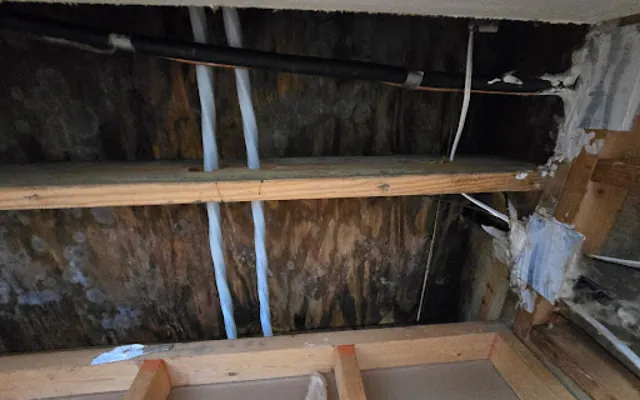
Crews trace the leak from the ceiling stain back to the roof entry point, using moisture mapping to find where water actually entered.
Any active drip is stopped, standing water is removed, and wet attic insulation is bagged out to expose the framing.
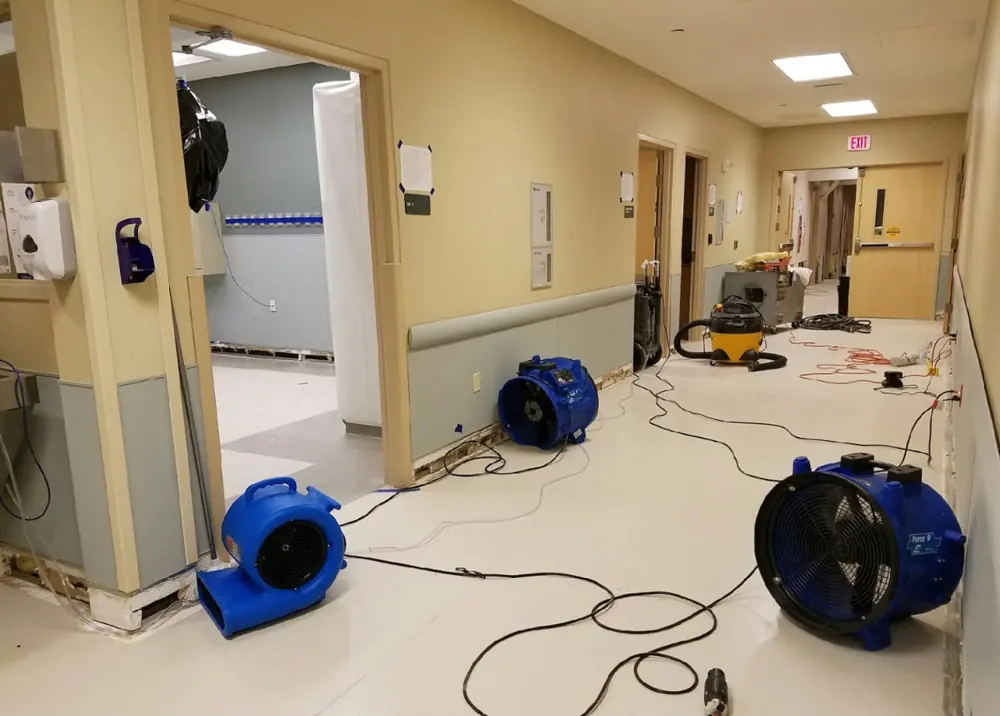
Air movers and dehumidifiers dry the sheathing, rafters, and ceiling, with moisture readings tracked daily until fully dry.
A roofer seals the entry point, and crews replace wet insulation and drywall, then finish the ceiling to match the surrounding surface.

While help is on the way, these first steps, done only where it is safe, limit the damage and protect the insurance claim.
Shut the supply off at the source, or close the home's main valve if the source is not obvious. Stopping the flow limits the damage more than anything else.
Switch off electricity to the affected area, but only if the breaker can be reached without standing in or touching the water.
Get a crew dispatched right away. The sooner extraction and drying begin, the more flooring, drywall, and belongings can be saved.
Take photos and a short video of the water and the affected rooms before anything is moved, so the insurance claim starts strong.
Roof leak cleanup in Phoenix generally runs $1,000 to $6,000, depending on how much attic insulation and ceiling area are wet, whether framing is involved, and the roof repair needed. A single storm stain costs less than widespread attic saturation. Sudden storm-driven leaks are usually covered, and crews document the source and moisture readings for the carrier.
Crews reach Phoenix and the Valley of the Sun fast, from the historic Willo and Coronado districts to Arcadia, Biltmore, and Sunnyslope, and nearby Tempe, Scottsdale, and Glendale. See the full list on the areas served across Phoenix page.
See all areas servedA real crew dispatched any hour, not a callback in the morning.
Trained technicians following recognized IICRC drying standards.
Truck-mounted, portable, and submersible for any size loss.
The loss is documented and billed to the carrier directly.
Signs include a brown ceiling stain, a musty attic smell, damp or matted insulation, and water spots after a storm. Because the attic runs hot and closed, moisture can spread before it shows below, so crews use moisture mapping to trace the water to the real entry point.
Intense year-round sun dries out underlayment, cracks tile, and degrades flashing, so by the time monsoon storms arrive with wind-driven rain, the weak points give way at once. Water pushes sideways under tile and through failed flashing into the attic, especially on low-slope sections.
Yes. The leak source must be sealed and the attic dried before the ceiling is repaired, or water returns and the new drywall stains again. Crews dry the structure and coordinate with a roofer to stop the intrusion, then restore the ceiling once everything is dry.
Sudden storm-driven leaks are usually covered for the interior water damage, while the roof repair itself and long-neglected wear may be excluded. Crews document the entry point, the attic and ceiling damage, and moisture readings so the adjuster can evaluate the claim.
Phoenix crews are on call 24 hours a day, local and fast, and can be on the way within the hour.
Call (623) 254-4056