Trusted by 155+ Homeowners
Thermal Imaging Leak Detection in Scottsdale, AZ
- Over 155 5-Star Reviews
- Free Estimates and Quotes
- 100% Satisfaction Guaranteed
- Child, Family & Pet Safe Steps
- 24-Hour Emergency Service
- Fully Licensed & Insured

Spotting Hidden Water Damage With Thermal Imaging in Scottsdale, AZ
You walk into your living room, and a faint, damp smell hits you. It’s not the usual Arizona dryness; it’s something different, something unnerving. You look up, and there’s a small, discolored spot on the ceiling, barely noticeable. This could be a sign of a hidden leak. Ignoring it means letting water slowly damage your walls and structure. We can help you find these hidden issues fast. Our team uses advanced thermal imaging to see what your eyes can’t. We serve Scottsdale, AZ, and the surrounding neighborhoods.
Homeowners around here trust our team because we get the job done right the first time. We’ve helped over 165 satisfied clients achieve excellent results in their homes. When you suspect a hidden leak, you need a team that understands the science behind water damage. We’re dedicated to finding the source and stopping it quickly, protecting your property from further harm. You can count on our proven methods.
- Thermal imaging pinpoints the exact location of moisture, even behind walls, preventing unnecessary demolition and saving you money.
- We use precise moisture meters alongside thermal cameras to get accurate readings, ensuring a complete drying process and preventing mold growth.
- Our team’s expertise in interpreting thermal patterns means we identify the root cause of the leak, not just the symptom, for lasting repairs.
How We Uncover Hidden Leaks With Advanced Thermal Imaging
Finding a water leak isn’t always obvious. Sometimes, the damage is happening silently behind your walls or under your floors. Our approach to thermal imaging leak detection focuses on scientific precision. We understand that rushing this process can lead to missed issues and recurring problems. Our detailed inspection ensures every potential source of water intrusion is identified. We aim for thoroughness and accuracy in every job we take on.
Initial Thermal Scan
Our technicians begin by scanning your property with a high-resolution thermal imaging camera. This camera detects temperature differences on surfaces, revealing areas where moisture is present. We look for cooler spots, which often indicate trapped water. This initial pass gives us a broad overview of potential problem areas. It’s a non-invasive first step that covers a lot of ground quickly.
Moisture Meter Readings
After the thermal scan, we use calibrated moisture meters to confirm the presence and extent of water. These meters provide exact moisture content readings in building materials like drywall, wood, and insulation. This verification step is crucial for accurate assessment. It helps us understand the severity of the saturation. We document all readings for your records and our drying plan.
Identifying the Source
With the moisture confirmed, we use the thermal images and meter readings to trace the water back to its origin. This could be a faulty pipe, a roof leak, or an appliance issue. Pinpointing the source is essential for effective repair. We don’t just find the wet spot; we find out why it’s wet. Our goal is to stop the leak at its source, preventing future damage.
Drying and Dehumidification Planning
Once the leak is identified and stopped, we use the data collected to create a targeted drying plan. Thermal imaging helps us monitor the drying process, ensuring all hidden moisture is removed. We deploy specialized equipment like high-speed air movers and dehumidifiers. This ensures your property dries completely and safely. Proper drying prevents mold and structural degradation.
Don’t let a small leak turn into a big problem. Call us today to schedule your thermal imaging inspection. We’re ready to help you protect your home.

Warning Signs You Need Thermal Imaging Leak Detection
Catching water damage early is key to minimizing costs and preventing long-term issues like mold and structural rot. Your home might be telling you something is wrong, even if you can’t see the water. Paying attention to these signs can save you a lot of trouble down the road. Our experts are here to investigate any suspicious indicators.
Musty Odors That Won’t Go Away
A persistent damp, musty smell, especially in areas without obvious water spills, is a strong indicator of hidden moisture. This smell often comes from mold or mildew growing in dark, damp spaces. It’s a clear sign that water is present where it shouldn’t be.
Discolored or Stained Walls and Ceilings
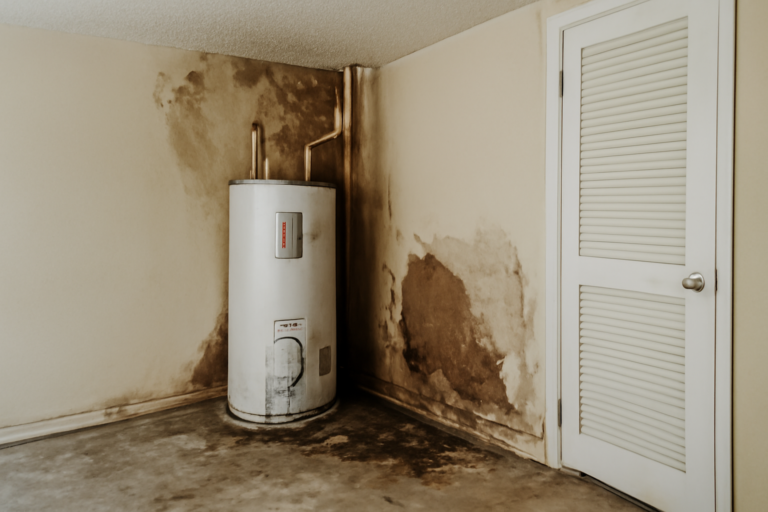
Yellow or brown stains on your walls or ceiling are classic signs of water intrusion. These stains appear when minerals and impurities in the water seep through paint or wallpaper. Look for these marks after rain or if you suspect plumbing issues. They suggest a leak is actively saturating the material above.
Peeling or Bubbling Paint and Wallpaper
When moisture gets behind paint or wallpaper, it can cause the adhesive to fail, leading to peeling or bubbling. This is often seen near windows, pipes, or rooflines where leaks are common. This visual cue indicates moisture damage to the surface. It’s a direct result of water compromising the integrity of your finishes.
Warped or Soft Drywall
Drywall that feels soft to the touch or appears to be sagging or warping is a serious sign of water saturation. The gypsum core of drywall can break down when repeatedly exposed to moisture. This indicates significant water absorption. Don’t delay if you notice changes in your drywall’s texture or shape.
Unexplained High Water Bills
A sudden, significant increase in your water bill without any change in usage habits can point to a hidden leak in your plumbing system. The water is escaping your pipes before it even reaches your fixtures. This financial indicator is often overlooked. It’s a practical clue that something is amiss with your water supply.
Condensation on Windows or Walls
While some condensation is normal in humid environments, excessive or persistent condensation on interior surfaces can signal an issue. It might indicate high indoor humidity due to a leak or a problem with your HVAC system. This visual clue suggests abnormal moisture levels. It warrants further investigation to determine the cause.
Thermal Imaging Leak Detection vs. DIY: When To Call a Professional
| Situation | DIY? | Call a Pro? | Why |
|---|---|---|---|
| Suspecting a small drip from a visible pipe | Yes, if you’re handy. | Yes, for exact source and extent. | A pro ensures no hidden damage is missed. |
| Noticing a small discolored spot on the ceiling | No. | Yes, immediately. | Thermal imaging is needed to see behind the ceiling. |
| Detecting a musty smell in a specific room | Maybe, if you can easily access wall cavities. | Yes, for thorough assessment. | The smell could be from widespread mold behind walls. |
| Seeing mold growth on a visible surface | Yes, for small, surface areas. | Yes, if mold is extensive or recurring. | A pro finds the moisture source fueling the mold. |
| High water bill with no explanation | No. | Yes, for leak detection. | Hidden pipe leaks are often inaccessible without specialized tools. |
| After a major appliance leak | Yes, for initial cleanup. | Yes, for drying and inspection. | Pros use thermal imaging to ensure all hidden moisture is gone. |
While some minor issues might be manageable yourself, hidden water damage often requires professional tools and expertise. Thermal imaging provides a level of insight that DIY methods simply can’t match. Trust our team to accurately diagnose and locate even the most elusive leaks.
Thermal Imaging Leak Detection Cost In Scottsdale, AZ
The cost for thermal imaging leak detection in Scottsdale, AZ, can vary depending on the complexity of the issue and the size of your property. These estimates provide a general idea of what you might expect. Actual pricing depends on a detailed on-site assessment.
| Service | Typical Price Range | What Affects Cost |
|---|---|---|
| Basic Thermal Imaging Inspection | $300 – $700 | Square footage of the area scanned. |
| Detailed Moisture Mapping & Assessment | $500 – $1,500 | Number of rooms or areas needing detailed meter readings. |
| Leak Source Identification (Plumbing) | $600 – $2,000 | Complexity of plumbing system and accessibility of pipes. |
| Leak Source Identification (Roof/Exterior) | $700 – $2,500 | Height of the property, roof complexity, and weather conditions. |
| Post-Leak Drying Verification | $400 – $1,000 | Size of the wet area and required monitoring frequency. |
| Mold Risk Assessment | $500 – $1,200 | Extent of suspected mold growth and number of samples needed. |
We offer free, no-obligation estimates for your thermal imaging needs. Contact us today to schedule your inspection and get a precise quote for your property.
Service Areas Near Scottsdale, AZ
Phoenix, Tempe, Mesa, Chandler, Glendale, Peoria, Surprise, Avondale, Goodyear, Fountain Hills, Apache Junction, Gold Canyon, San Tan Valley, Queen Creek, Gilbert, Litchfield Park, Tolleson, Sun City, Youngtown, Paradise Valley
Common Questions About Thermal Imaging Leak Detection
What is thermal imaging leak detection?
Thermal imaging leak detection uses infrared cameras to visualize temperature differences on surfaces. These cameras detect hidden moisture by showing cooler areas where water has saturated materials. Our trained technicians interpret these thermal patterns to pinpoint leaks that aren’t visible to the naked eye, preventing costly damage.
How much does thermal imaging leak detection cost?
The cost for thermal imaging leak detection typically ranges from $300 to $2,500, depending on the complexity and size of the affected area. Factors like the number of rooms inspected and the difficulty in locating the source influence the price. We provide transparent pricing and can give you a more accurate estimate after an initial assessment of your property.
How long does a thermal imaging inspection take?
A typical thermal imaging inspection can take anywhere from one to several hours, depending on the size of your property and the suspected extent of the leak. We work efficiently to scan and assess the area thoroughly. Our goal is to provide a complete picture of any moisture issues without causing unnecessary disruption.
Can thermal imaging detect mold?
While thermal imaging doesn’t directly detect mold itself, it’s highly effective at locating the moisture that mold needs to grow. By identifying damp areas behind walls, under floors, or in attics, we can pinpoint potential mold growth sites. This allows for targeted remediation before mold becomes a significant health or structural problem.
Is thermal imaging covered by homeowners insurance?
Coverage for thermal imaging leak detection often depends on the cause of the leak and your specific insurance policy. If the inspection is part of a claim for sudden and accidental water damage, it may be covered. It’s best to check with your insurance provider directly. We can provide detailed reports that may assist with your claim.
Check Our Other Relevant Services
Serving Scottsdale, AZ And Nearby Areas