
Trusted by 155+ Homeowners
Concrete Water Damage Restoration in Glendale, AZ
- Over 155 5-Star Reviews
- Free Estimates and Quotes
- 100% Satisfaction Guaranteed
- Child, Family & Pet Safe Steps
- 24-Hour Emergency Service
- Fully Licensed & Insured
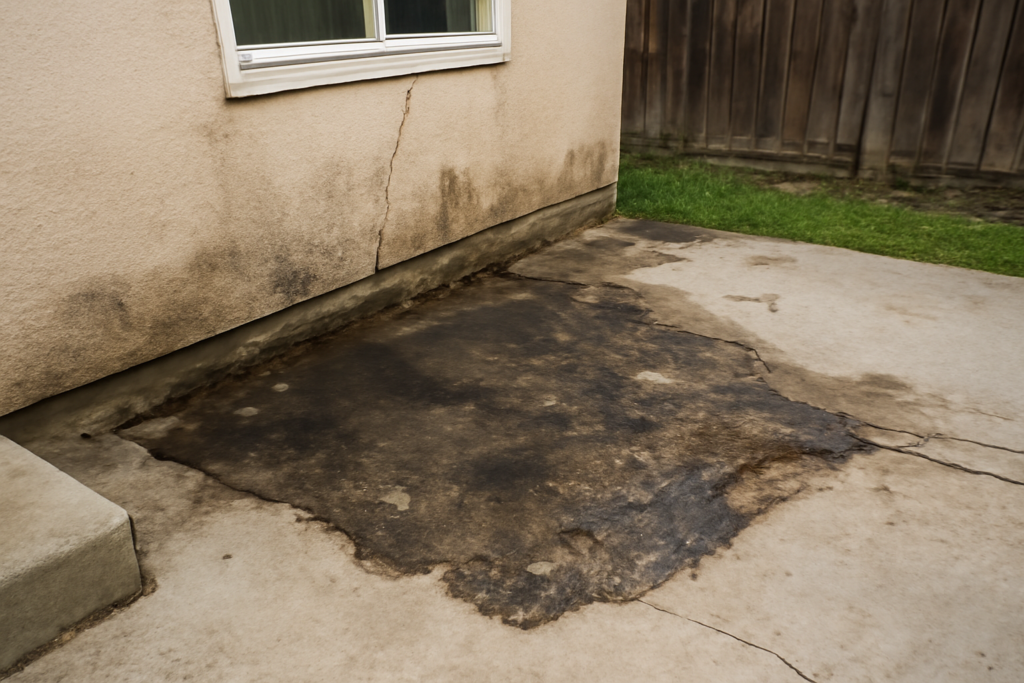
Concrete Foundational Flooding? We Handle It Fast
You’re walking through your home, maybe heading to the garage or basement, and you notice it. A damp smell, a strange discoloration on the concrete floor, or even a visible puddle. It’s that sinking feeling when you realize water has found its way into your concrete foundation or slab. This isn’t just a minor inconvenience; it’s a serious issue that needs immediate attention. Ignoring concrete water damage can lead to structural problems and mold growth, so it’s crucial to address it right away.
We’ve helped countless homeowners right here in Glendale, AZ, tackle concrete water damage. With over 165 five-star reviews from your neighbors, you know you’re choosing a team that gets the job done right. We understand the local climate and the unique challenges it presents, especially when it comes to water affecting your home’s foundation. Choosing us means choosing reliable, local expertise for your concrete water damage restoration needs.
- We use advanced moisture detection equipment to pinpoint hidden water sources within your concrete slab, ensuring no dampness is left behind.
- Our specialized drying systems create controlled environments to effectively remove moisture from concrete, preventing secondary damage like mold or structural compromise.
- We focus on restoring the integrity of your concrete, not just drying the surface, helping to protect your home’s long-term value.
The Technical Process Behind Concrete Water Damage Restoration
When water infiltrates your concrete, it doesn’t just sit on the surface. It soaks in, can weaken the material, and create a breeding ground for mold and bacteria. That’s why our approach to concrete water damage restoration is highly technical and systematic. We don’t just pump out water; we employ precise methods to dry and restore your concrete properly. Cutting corners here can lead to persistent moisture problems and a weakened foundation, so we follow strict protocols.
Moisture Detection and Assessment
We begin by using specialized tools like infrared cameras and penetrating moisture meters. These devices help us accurately measure the extent of water saturation within your concrete slab and walls. This detailed assessment is key to developing an effective drying plan. It allows us to understand exactly where the water is and how deep it has penetrated the concrete.
Water Extraction
Our team utilizes powerful, industrial-grade water extraction equipment. These machines are designed to remove standing water from concrete surfaces and sub-flooring quickly and efficiently. We aim to remove as much bulk water as possible in the initial stages to stop the damage from spreading further. This step is critical for minimizing saturation and starting the drying process.
Containment Procedures
To prevent moisture from spreading to unaffected areas of your home, we establish containment zones. Using physical barriers and negative air pressure, we isolate the damaged area. This ensures that airborne mold spores and humidity stay within the work zone. Proper containment is vital for protecting your indoor air quality and preventing cross-contamination.
Controlled Drying
This is where the science really comes into play. We deploy specialized drying equipment, including high-velocity air movers and industrial dehumidifiers. These machines work together to create an optimal drying environment, accelerating the evaporation of moisture from the concrete. We constantly monitor humidity and moisture levels to ensure we’re drying effectively and safely. This meticulous process ensures your concrete dries thoroughly and evenly.
Monitoring and Verification
Throughout the drying process, our technicians regularly take moisture readings. We continue until we’ve confirmed that the concrete has reached a safe and stable moisture content. This verification step is essential to ensure the job is complete and to prevent future issues. You can be confident that we’ve achieved complete moisture removal before we consider the restoration finished.
Don’t wait for water damage to become a bigger headache. Call us now to get our team on-site fast. We’re ready to tackle your concrete water damage today.
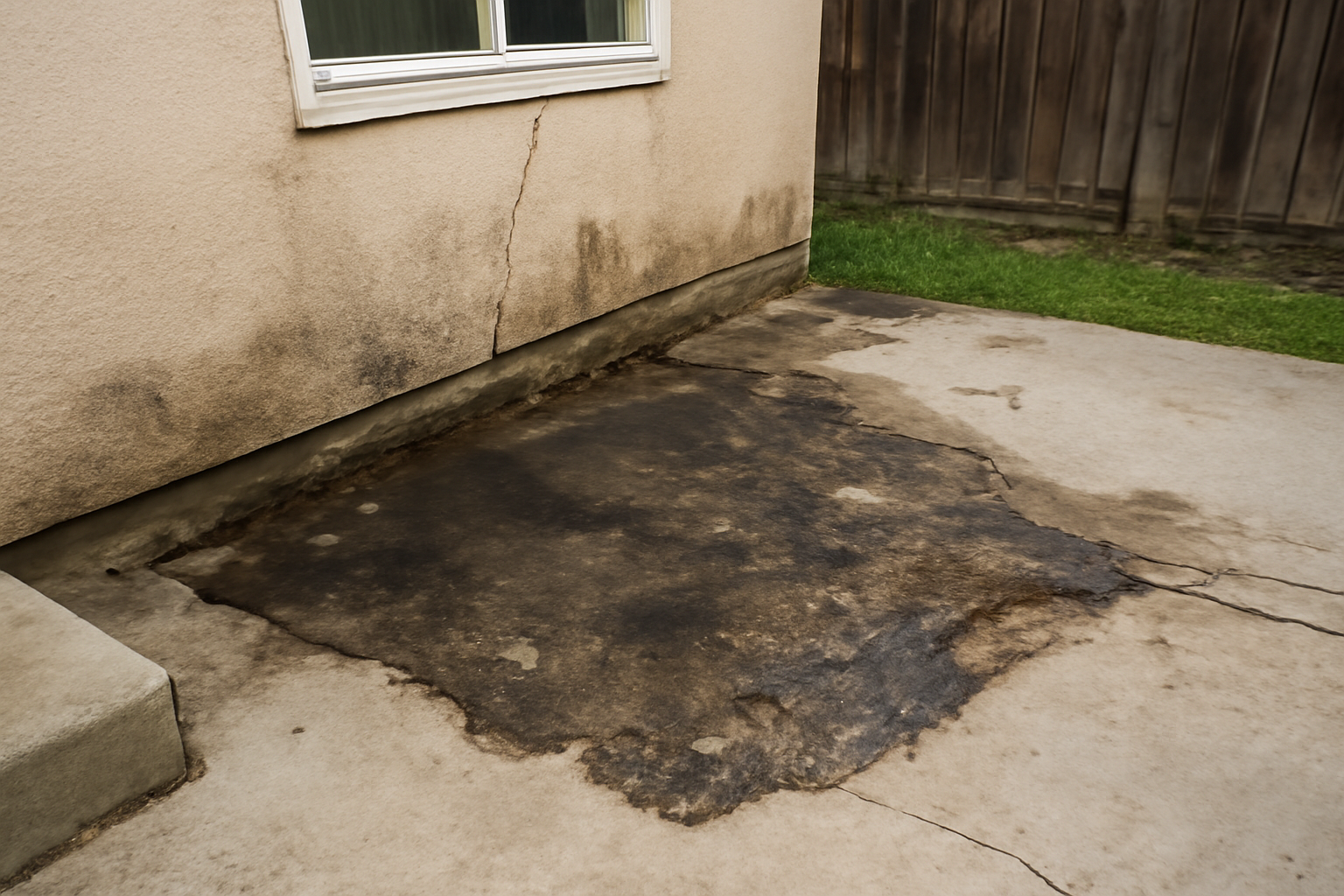
Warning Signs You Need Concrete Water Damage Restoration
Catching the signs of water damage in your concrete early can save you a lot of time and money. Sometimes, the damage isn’t obvious at first glance, but there are subtle indicators you should never ignore. These early warnings can prevent more severe structural issues and costly repairs down the line. Paying attention to these signals is your first line of defense against water intrusion.
Musty Odors That Won’t Go Away
That persistent damp, earthy smell, especially in basements or garages, is a strong indicator of hidden moisture. This odor often comes from mold and mildew growing in damp concrete or the materials surrounding it. If you notice lingering unpleasant smells, it’s a sure sign water is present.
Visible Water Stains or Discoloration
Look for dark spots, rings, or general discoloration on your concrete floors or walls. These are often signs that water has seeped into the concrete and is leaving behind mineral deposits or organic residue. These stains indicate active water intrusion or a past event that wasn’t fully resolved.
Cracks or Spalling in the Concrete
When water freezes and thaws within the pores of concrete, or when hydrostatic pressure builds up, it can cause cracks or spalling (flaking of the surface). If you see new cracks or the surface of your concrete is chipping away, it could be due to water saturation. This is a sign of structural compromise due to water.
Efflorescence on Concrete Surfaces
You might notice white, powdery deposits appearing on the surface of your concrete. This is called efflorescence, and it happens when water passes through the concrete, carrying dissolved salts to the surface. As the water evaporates, it leaves these salts behind. It’s a clear indicator of moisture movement through the concrete.
Damp or Wet Spots on the Floor
This might seem obvious, but sometimes small, persistent damp spots can be easily overlooked. If you feel dampness underfoot or see areas that never seem to dry out, it’s a direct sign of water present within or beneath the concrete. Don’t dismiss these constant damp patches.
Changes in Concrete Texture or Hardness
Water saturation can weaken the concrete matrix over time, making it softer or more crumbly than it should be. If you notice areas that feel different, less solid, or are easily scratched, it could be a sign of water damage. This indicates a degradation of the concrete itself.
Concrete Water Damage Restoration vs. DIY: When To Call a Professional
| Situation | DIY? | Call a Pro? | Why |
|---|---|---|---|
| Small, isolated spill on a dry day | Yes | No | Easy to clean up with towels and fans, minimal risk. |
| Puddle from a leaky pipe that’s now fixed | Yes | Maybe | If the puddle is large or has been there a while, professional drying is safer. |
| Dampness after heavy rain, but house is dry | No | Yes | Hidden moisture in concrete needs professional detection and drying to prevent mold. |
| Visible water damage spreading across a large concrete floor | No | Yes | Requires specialized equipment to extract water and dry thoroughly. |
| Concerns about mold growth in damp concrete | No | Yes | Professionals have the tools and safety protocols to handle mold effectively. |
| Water intrusion affecting the concrete foundation walls | No | Yes | Foundation integrity is critical; requires expert assessment and restoration. |
While minor spills can often be managed with DIY methods, anything involving significant water intrusion into concrete, especially affecting your foundation, requires professional intervention. Our team has the specialized equipment and expertise to ensure your concrete is dried properly and safely, preventing long-term damage. We provide thorough, scientific drying that DIY methods can’t match.
Concrete Water Damage Restoration Cost In Glendale, AZ
The cost of concrete water damage restoration in Glendale, AZ, can vary significantly. Factors like the size of the affected area, the depth of water penetration, and the complexity of the job all play a role. These price ranges are estimates and can change based on your specific situation. We always provide a detailed, upfront estimate after an on-site assessment.
| Service | Typical Price Range | What Affects Cost |
|---|---|---|
| Moisture Detection & Assessment | $300 – $800 | Size of the area, complexity of the structure. |
| Water Extraction (per sq ft) | $0.50 – $2.00 | Amount of water, accessibility, type of equipment needed. |
| Controlled Drying (equipment rental & monitoring) | $500 – $3,000+ | Duration of drying, size and number of units used, humidity levels. |
| Containment Setup | $200 – $600 | Size of the affected area, complexity of barriers. |
| Deodorizing & Antimicrobial Treatments | $200 – $700 | Severity of odor, type of treatment required. |
| Structural Drying Verification | $150 – $400 | Number of readings and confirmation required. |
The final cost is always determined by a professional assessment of your property’s unique needs. We offer free estimates to give you a clear understanding of the investment required for proper restoration. Contact us today for a no-obligation inspection.
Service Areas Near Glendale, AZ
Peoria, Sun City, Surprise, Avondale, Litchfield Park, Tolleson, Youngtown, El Mirage, Wittmann, Waddell, Buckeye, Goodyear, Anthem, New River, Phoenix, Scottsdale, Tempe, Chandler, Mesa, Gilbert.
Common Questions About Concrete Water Damage Restoration
Q: How long does concrete water damage restoration usually take?
The timeline for concrete water damage restoration can vary greatly. A simple drying job might take 2-3 days, while more extensive saturation or structural damage could take a week or longer. We use advanced drying equipment to accelerate the process as much as possible. Our goal is to get your home back to normal as quickly as we can, with thorough, verifiable drying.
Q: Is concrete water damage covered by homeowner’s insurance?
In many cases, yes, concrete water damage is covered by homeowner’s insurance, especially if the water source was sudden and accidental, like a burst pipe. However, damage from slow leaks or poor maintenance might not be. It’s always best to check your specific policy and contact your insurance provider. We can help document the damage for your claim, providing detailed reports for your insurance company.
Q: What are the health risks associated with water in concrete?
The primary health risk associated with water in concrete is the potential for mold and mildew growth. These fungi can release spores into the air, which can cause respiratory problems, allergic reactions, and other health issues, especially for those with pre-existing conditions. We use specialized treatments to kill mold spores and prevent their regrowth, ensuring a healthy environment.
Q: What kind of equipment do you use to dry concrete?
We employ a range of professional-grade equipment. This includes high-speed air movers to increase airflow across surfaces, industrial dehumidifiers to remove moisture from the air, and often specialized drying mats or injectidry systems for deeper concrete saturation. We also use sophisticated moisture meters to ensure complete drying. This equipment is far more powerful than anything available for home use.
Q: Can I prevent water damage to my concrete foundation?
Yes, proactive measures can significantly reduce the risk of water damage to your concrete foundation. Ensure your gutters and downspouts direct water away from your home, maintain proper grading around your foundation so water flows downhill, and seal any existing cracks in the concrete. Regular inspections can help you catch potential problems early, preventing major water intrusion.
Check Our Other Relevant Services
Serving Glendale, AZ And Nearby Areas


