Trusted by 155+ Homeowners
Black Water Damage Restoration (Category 3) in Chandler, AZ
- Over 155 5-Star Reviews
- Free Estimates and Quotes
- 100% Satisfaction Guaranteed
- Child, Family & Pet Safe Steps
- 24-Hour Emergency Service
- Fully Licensed & Insured

When Toilet Overflows or Sewage Backs Up: Black Water Damage Restoration (Category 3) in Chandler, AZ
You just walked into your bathroom, and a foul odor hits you. Then you see it: murky, dark water pooling on your floor, spreading fast. This isn’t just a leaky pipe; it’s Category 3 black water, and it’s a serious problem. It’s water that’s come into contact with raw sewage or contaminated floodwaters, bringing with it dangerous bacteria and pathogens. Dealing with this kind of mess requires immediate, specialized attention to protect your home and your family’s health. We understand how shocking and stressful this discovery can be for homeowners around here.
Over 165+ five-star reviews tell the story of why local homeowners trust us when they face this kind of contamination. We’re not just cleaning up water; we’re performing a critical disinfection and drying process. Our team brings a level of expertise and equipment specifically designed for the challenges of black water damage restoration. You need a local team that knows how to handle these hazardous situations safely and effectively, and we’re here to help.
- We deploy advanced air scrubbers with HEPA filters to remove airborne contaminants and purify your indoor air during the remediation process.
- Our specialized drying equipment, including industrial-grade dehumidifiers and air movers, targets hidden moisture in your structure to prevent secondary damage and mold growth.
- We follow strict IICRC protocols for Category 3 water damage, ensuring thorough disinfection and sanitization of affected materials to make your home safe again.
How Black Water Damage Restoration (Category 3) Actually Works
Tackling black water damage isn’t like cleaning up a simple spill. It demands a methodical, science-based approach to ensure all contaminants are removed and your home is truly dry and safe. Cutting corners here can lead to lingering health risks and structural issues down the line. Our process focuses on containment, removal, drying, and sanitization, using precise measurements and specialized equipment to get the job done right. We’ve seen what happens when amateur cleanups occur, and it’s why we emphasize a professional, thorough approach for your property.
Containment and Safety Protocols
First, our crews establish containment barriers to prevent the spread of contaminants to unaffected areas of your home. We wear full personal protective equipment (PPE) to ensure our safety. This initial step is crucial for preventing cross-contamination and is often overlooked in less professional services. It typically takes a few hours, depending on the affected area’s size.
Water Extraction
Next, we use powerful truck-mounted or portable water extraction units to remove as much standing black water as possible. This step is vital for reducing drying time and the potential for further damage. We aim to remove the bulk of the contaminated water as quickly as possible. This phase can last anywhere from several hours to a full day, depending on the volume of water.
Demolition and Removal of Damaged Materials
Unfortunately, porous materials like drywall, carpeting, and insulation contaminated by black water must be removed and safely disposed of. Our technicians carefully cut away affected materials, ensuring a clean break from healthy structures. This is a necessary part of safely removing contaminants. The time this takes varies greatly, from a few hours to several days.
Drying and Dehumidification
Once the bulk water is gone and affected materials are removed, we set up specialized drying equipment. High-speed air movers and industrial dehumidifiers work tirelessly to lower the humidity levels and draw moisture out of structural components. We use moisture meters to track the drying process and ensure materials reach safe, stable moisture content. This critical phase can take several days to over a week.
Cleaning and Sanitization
After drying, all affected surfaces are thoroughly cleaned and disinfected. We use EPA-approved antimicrobial treatments to kill any remaining bacteria and mold spores. This step is essential for making your home habitable again and preventing future health issues. It’s about ensuring a truly healthy environment. This typically takes 1-2 days.
Don’t wait to address black water damage; the risks increase with every hour. Call us now for a fast response and professional assessment of your situation. We’re ready to help you get your home back.

Warning Signs You Need Black Water Damage Restoration (Category 3)
Recognizing the subtle signs of black water contamination early can save you a lot of trouble and expense. Ignoring these indicators can lead to more severe structural damage and significant health risks. Pay close attention to what’s happening in your home, especially after heavy rains or plumbing issues.
Musty or Sewage Odors That Won’t Go Away
A persistent, unpleasant smell that resembles rotten eggs or sewage is a strong indicator of hidden contamination. This odor often means bacteria are actively growing. It’s a sign that professional intervention is needed immediately.
Visible Dark or Murky Water Pooling
If you see standing water that is discolored, cloudy, or contains visible debris, it’s almost certainly Category 3 black water. This isn’t just a minor leak; it’s a serious contamination event. You need to act without delay.
Sudden Mold Growth or Discoloration
The appearance of mold, or dark, unusual stains on walls, ceilings, or floors, can signal that contaminated water has seeped into your building materials. Mold thrives in damp, unsanitary conditions. This is a clear sign of unseen water damage.
Water Intrusion from Sewage Lines or Flooding
Any water that backs up from your sewer line or comes from external flooding sources is considered black water. This type of water contains pathogens and requires specialized cleanup and disinfection. You can’t just mop this up; it needs expert handling.
Damp Spots or Warped Materials
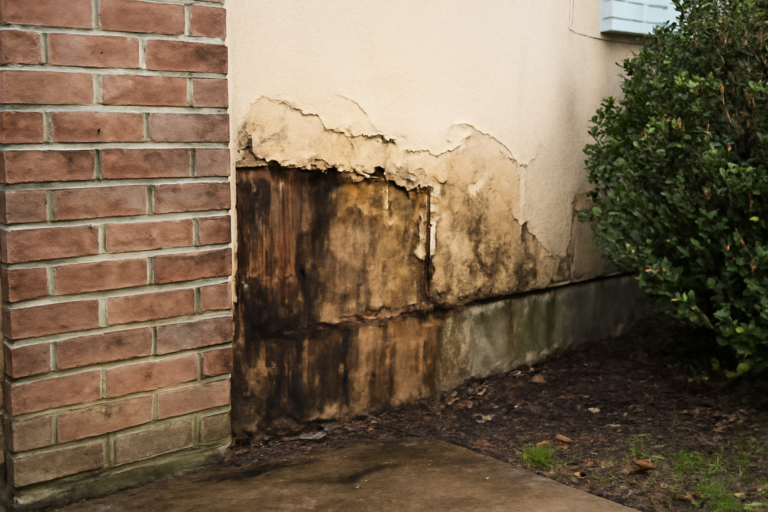
Even if you don’t see standing water, unexplained damp spots, peeling paint, or warped building materials can indicate that contaminated water has penetrated your home’s structure. These are often signs of hidden moisture problems.
Unexplained Health Issues
If household members suddenly develop respiratory problems, allergies, or other unexplained illnesses, and you’ve had recent water issues, the cause might be contaminated water and mold. Your family’s health is paramount, and prompt remediation is key.
Black Water Damage Restoration (Category 3) vs. DIY: When To Call a Professional
| Situation | DIY? | Call a Pro? | Why |
|---|---|---|---|
| Minor toilet overflow with clear water, contained to tile floor. | Yes | No | This is likely Category 1 water, manageable with basic cleanup. |
| Sewage backup into your living room carpet. | No | Yes | Category 3 water is hazardous and requires specialized equipment and disinfectants. |
| Water damage from a broken pipe that flooded a small area of drywall. | Maybe | Yes | Depends on water clarity; if it’s clear, DIY might be possible, but professional assessment is safer. |
| Floodwaters from a storm entering your home’s foundation. | No | Yes | Floodwaters are almost always Category 3 and pose significant health risks. |
| Suspected mold growth after a water incident. | No | Yes | Mold remediation requires specific knowledge and containment procedures. |
| Water damage near electrical outlets or in your breaker box. | No | Yes | Electrical hazards coupled with water are extremely dangerous and require professional safety protocols. |
For anything involving sewage, floodwaters, or potentially contaminated sources, DIY is rarely the answer. The risks to your health and the structural integrity of your home are too high. Trusting the job to trained professionals ensures it’s done safely and effectively, protecting your investment and well-being.
Black Water Damage Restoration (Category 3) Cost In Chandler, AZ
The cost of black water damage restoration in Chandler, AZ, can vary significantly. Factors like the extent of the contamination, the size of the affected area, and the specific materials that need to be removed and treated all play a role. These price ranges are general estimates and not a guarantee of cost.
| Service | Typical Price Range | What Affects Cost |
|---|---|---|
| Initial Water Extraction | $500 – $2,500 | Volume of water, accessibility, and time required for extraction. |
| Containment Setup and Air Scrubbing | $300 – $1,000 | Size of the area needing containment and the number of air scrubbers used. |
| Demolition and Debris Removal | $1,000 – $5,000+ | Amount of material needing removal (drywall, flooring, insulation) and disposal fees. |
| Structural Drying (Air Movers & Dehumidifiers) | $1,500 – $7,000+ | Duration of drying needed, size of the space, and complexity of the structure. |
| Antimicrobial Treatment and Sanitization | $400 – $2,000 | Size of the affected area and the type of disinfectants required. |
| Mold Prevention and Remediation (if needed) | $500 – $5,000+ | Severity of mold growth and the extent of remediation needed. |
An on-site assessment is always necessary for an accurate quote, as each situation is unique. We offer free estimates to help you understand the scope and cost for your specific needs.
Service Areas Near Chandler, AZ
Ahwatukee, Apache Junction, Arcadia, Avondale, Buckeye, Carefree, Casa Grande, Coolidge, Desert Hills, Desert Ridge, El Mirage, Encanterra, Florence, Fountain Hills, Gilbert, Glendale, Gold Canyon, Goodyear, Guadalupe, Higley, Laveen Village, Litchfield Park, Maricopa, Mesa, Morristown, New River, Paradise Valley, Peoria, Phoenix, Queen Creek, Rio Verde, Sacaton, San Tan Valley, Scottsdale, Self, Sun City, Sun City West, Sun City Festival, Sun Lakes, Surprise, Tempe, Tolleson, Tonopah, Tortosa, Waddell, Wickenburg, Wittmann, Youngtown, Yuma
Black Water Damage Restoration (Category 3) Common Questions
What’s the difference between gray water and black water?
Gray water (Category 2) is water that has had some level of contamination but is not from sewage. Think of a leaking dishwasher or aquarium water. Black water (Category 3) is the most hazardous, originating from sewage or floodwaters containing raw sewage, and it requires immediate professional attention. Our team is equipped to handle the significant disinfection and drying protocols needed for Category 3.
How long does black water damage restoration typically take?
The timeline for black water damage restoration can vary significantly, often taking anywhere from several days to a couple of weeks. It depends on the extent of the contamination, the amount of water, how quickly we can extract it, and the drying process. We use advanced monitoring tools to ensure your home is dried to safe levels before we finish.
Is black water damage covered by homeowner’s insurance?
Often, yes, but it depends heavily on the cause of the black water damage and your specific policy. Flood damage may require a separate flood insurance policy. We recommend you review your policy and contact your insurance provider. We can help document the damage for your claim and work directly with adjusters to ensure proper restoration coverage.
What are the health risks associated with black water?
Black water is teeming with bacteria, viruses, and other pathogens that can cause serious illnesses, including gastrointestinal problems, infections, and respiratory issues. Prolonged exposure or improper cleanup can lead to long-term health concerns. That’s why our process includes thorough disinfection and sanitization to create a safe living environment for you and your family.
Can I prevent black water damage?
While some events like severe flooding are unpredictable, you can take steps to minimize risk. Regular maintenance of your plumbing and sewer lines, especially keeping them clear of blockages, is crucial. Installing backwater valves can also help prevent sewage backups. If you do experience a sewage backup, calling us immediately is the best way to mitigate damage and prevent further issues.
Check Our Other Relevant Services

Richard Davis: Damage Restoration Expert
Richard Davis is a licensed restoration professional with over 20 years of experience in property recovery and disaster mitigation. Throughout his extensive career, Richard has established himself as a trusted authority, helping homeowners navigate the complex process of returning their properties to pre-loss condition after catastrophic events.
𝗖𝗲𝗿𝘁𝗶𝗳𝗶𝗰𝗮𝘁𝗶𝗼𝗻𝘀: Richard is highly credentialed through the IICRC, holding specialized certifications in Water Damage Restoration, Mold Remediation, Applied Structural Drying, Odor Control, and Fire and Smoke Restoration. His technical proficiency ensures all remediation efforts meet strict industry health and safety standards.
𝗕𝗲𝘀𝘁 𝗣𝗮𝗿𝘁 𝗼𝗳 𝘁𝗵𝗲 𝗷𝗼𝗯: Richard finds the most fulfillment in providing clarity and support to families during stressful times, ensuring their homes are safe and healthy once again.
𝗙𝗮𝘃𝗼𝗿𝗶𝘁𝗲 𝗣𝗮𝘀𝘁𝗶𝗺𝗲: An outdoor enthusiast, Richard enjoys coastal fishing and photography during his weekends off.